Great wildebeest migration
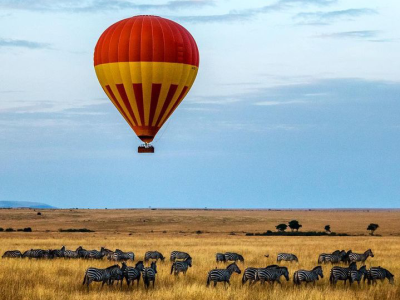
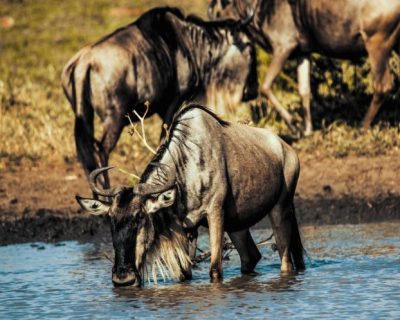
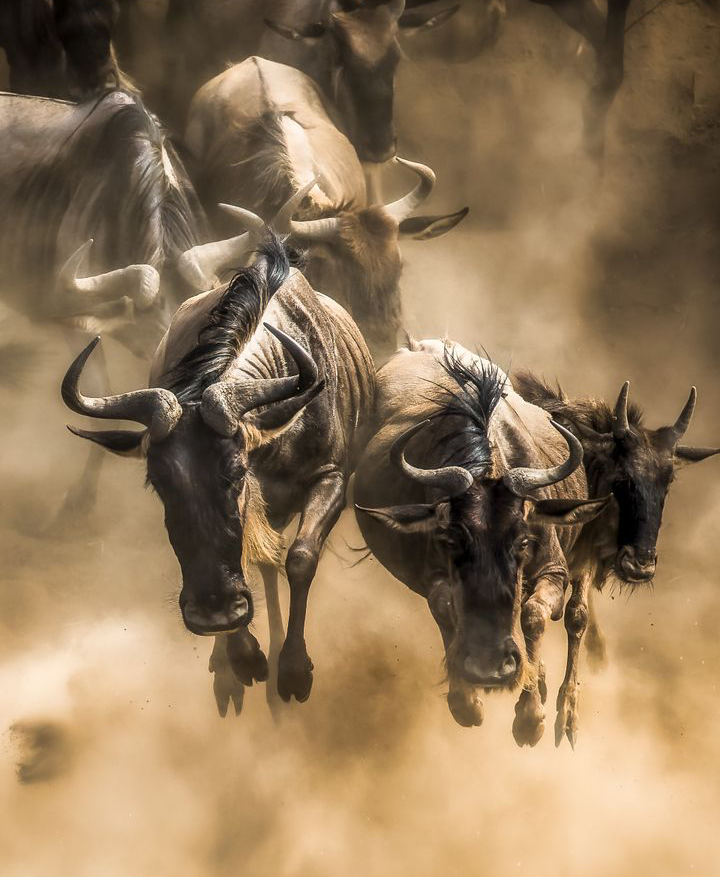
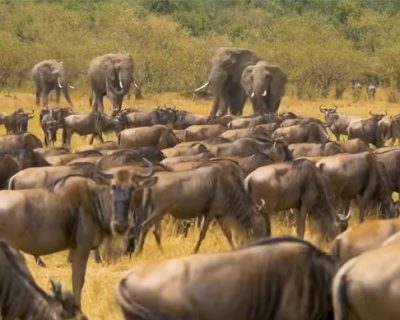
The great wildebeest migration is a massive Africa animal migration that sees more than 2 million ungulates (wildebeests, zebras, topis, water bucks, antelopes) traverse the Serengeti Masai Mara ecosystem in search of fresh pastures. Herds from as far as Tarangire national park gather in the southern Serengeti plains and start moving westwards starting from March. When they reach the Grumeti triangle, they then head north wards crossing Mara river into the Masai Mara game reserve trekking the whole park only to return to Serengeti in October. The best time to witness wildebeest migration in Serengeti park is from March- June and October- December and the calving season in January and February.
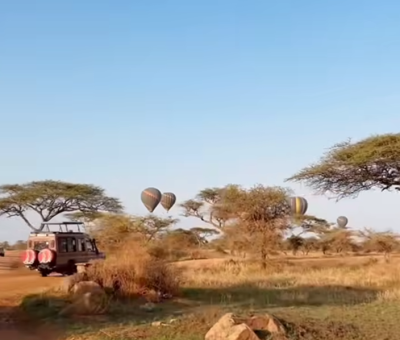
Serengeti national park
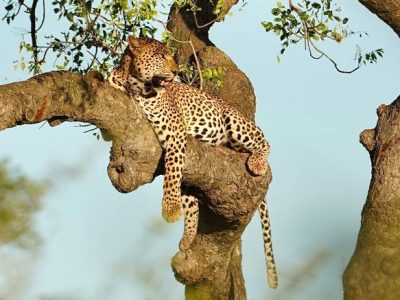
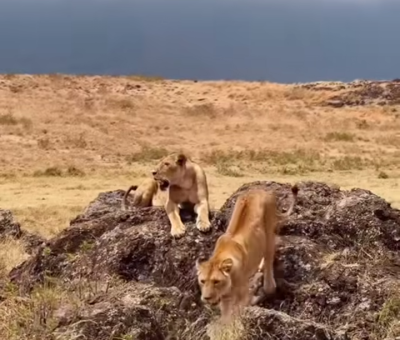
Serengeti national park is Africa's largest wildlife park and ecosystem. The park has the world's highest recorded lion population. Furthermore, the park has the highest concentration of wildlife per square kilometer. Serengeti national park is home to Africa's largest animal migration- the great wildebeest migration witnessed from March- June and October- December in the park. January- February is a calving season for ungulates also witnessed in the park. Throughout the year sightings of the Africa's big 5 (lions, elephants, leopards, rhinos, buffaloes), giraffes, cheetahs, birds, warthogs, antelopes, hippos, hyenas etc. are part of all safari.
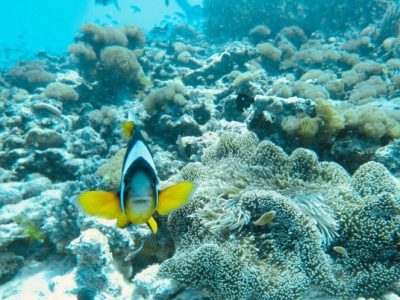
Zanzibar island
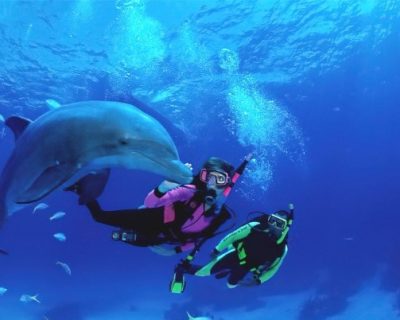
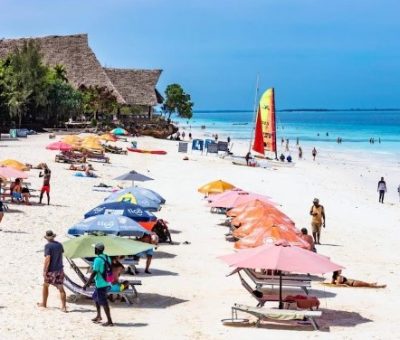
Zanzibar also known as the "spice island" is a tropical island located in the Indian ocean off the mainland Tanzanian coast. The island has white sand beaches a white sand beaches that have over time become top holiday and vacation destinations for travelers. Moreover, Zanzibar also has a rich history that dates way back before slave trade. Tours around stone town, prison island and local communities reflect much of this history. Holiday makers at Zanzibar island enjoy popular experiences for example the safari blue, scuba diving, snorkeling, sunset dhow cruises, kite rafting, dolphin watching, sea food cuisines, beach sports, horse back riding, unique marine life species, spice tours and much more. Africa safari itinerary with a visit to Zanzibar is one of the best ways to end a wildlife adventure.
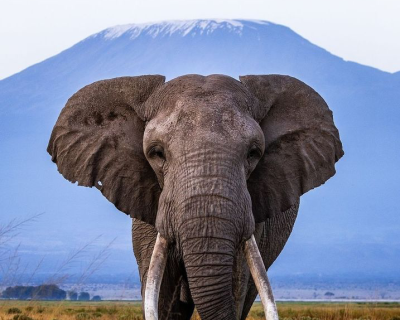
Mountain Kilimanjaro
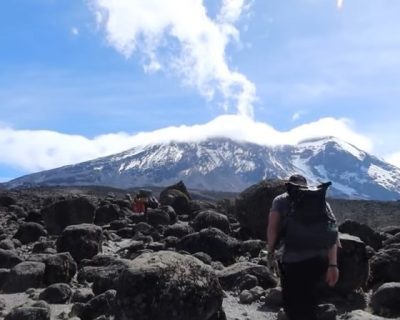
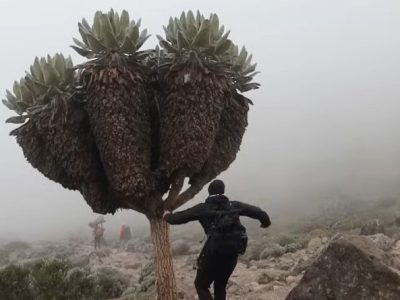
Mountain Kilimanjaro with the highest peat at 5,895m above sea level is the world's highest free standing mountain. Kilimanjaro is a dormant volcano with 3 dormant peaks (Kibo, Mawenzi and Shira) that can be trekked in 5- 9 days depending on the chosen route. At the foot of mountain Kilimanjaro is a national park that is home to the great Africa long horn elephants. Also sightings of buffaloes, leopards, elands, duikers etc. are common in the park and the absence of aggressive carnivores allows nature walks in the park. Kilimanjaro national park is almost a birders' haven with more than 150 bird species in the park.
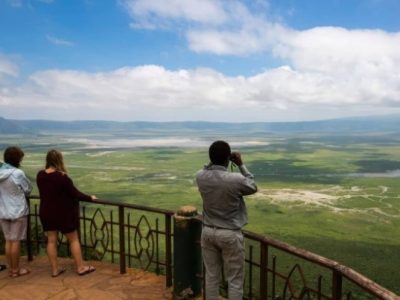
Ngorongoro crater conservancy
Ngorongoro crater conservancy is the world's largest open/ unfilled inactive volcanic caldera with a wide floor of 260 square kilometers with the crater as a permanent water source. The conservancy is a UNESCO heritage site with more than 25,000 species that don't migrate also with beautiful vegetation that has won for it the name "garden of Eden." Safari in Ngorongoro crater is unique and special for being one of the very few places where you can see Africa's big 5 game (lions, elephants, buffaloes, rhinos, leopards) in one day and the shortest time. High concentration of animals and birds in this park make it so complete for wildlife adventure on any itinerary.
Tarangire national park
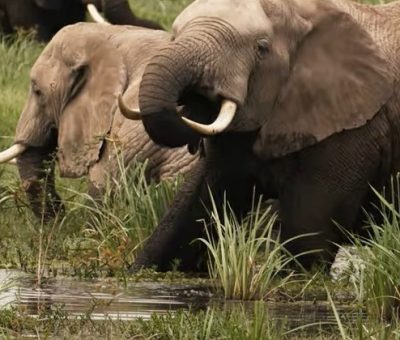
With Tarangire river as the permanent water source to this ecosystem, Tarangire national park is a highly concentrated wildlife destination in Tanzania's northern wildlife circuit at a few hours drive from Arusha. Tarangire national park is renown for the highest African elephant herds in East Africa along other Africa's big 5 game (lions, buffaloes, leopards, rhinos), giraffes, over 450 recorded bird species, warthogs, cheetahs, elands, wildebeests, zebras, wild dogs, hyenas, primates and reptiles. The massive ancient baobab trees are another unique feature in Tarangire national dotted throughout the park.